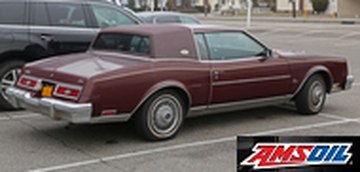
Maintaining Lubrication Standards for the 1981 Buick RIVIERA 5.0L
Proper engine care for a vehicle of this era requires a focus on consistent monitoring and adherence to specific fluid requirements. For owners of a 1981 Buick RIVIERA equipped with the 5.0L engine, maintaining the integrity of the lubrication system is a fundamental aspect of long-term mechanical health. Because older engines operate under different thermal and mechanical stresses than modern counterparts, a proactive approach to service is essential.Monitoring Fluid Integrity and Condition
One of the most effective ways to monitor the health of the 5.0L engine is through regular observation of the lubricant itself. When performing routine checks, the appearance and smell of the oil can provide useful information. For instance, if the oil appears excessively dark or contains visible particulate matter, it may indicate that the service interval has been exceeded or that the filtration system is not performing as intended. It is also important to watch for changes in how the engine consumes fluid. While all engines experience some level of consumption over long periods, any sudden increase in the frequency of top-offs warrants a closer look. If you notice unusual odors or see evidence of fluid contacting hot exterior surfaces, these symptoms should be investigated. Such signs can be associated with various factors, including aging seals or gaskets that may have lost their ability to maintain a tight barrier. Rather than attempting to diagnose a specific component from a single observation, treat these occurrences as indicators that a more thorough inspection is necessary.Systematic Inspection of Engine Components
Beyond the oil itself, a comprehensive maintenance strategy involves inspecting the surrounding components that support engine operation. For a 1981 Buick RIVIERA, this includes looking for signs of age-related wear in various areas:- Seals and Gaskets: Inspect accessible gaskets and seals for any evidence of seepage or weeping. Over time, heat cycles can cause these components to become less effective at containing fluids.
- Hoses and Connections: If present, examine engine hoses for signs of hardening, cracking, or bulging. Ensuring that these pathways remain pliable is vital for maintaining the integrity of the entire system.
- Drive Belts: If equipped, inspect accessible drive belts for any visible deterioration, such as fraying, glazing, or surface cracking. A belt that shows significant wear may eventually fail, affecting various engine-driven accessories.
- Electrical Integrity: Check wiring and electrical connectors for signs of corrosion or brittle insulation, which can impact the performance of various sensors and ignition components.
Prioritizing Maintenance Based on Current Condition
As vehicles age, the approach to maintenance often shifts from strictly following a calendar-based schedule to a condition-based strategy. For the 1981 Buick RIVIERA, this means using the actual state of the vehicle to determine where to focus your efforts. If you are stepping into ownership of this vehicle without a complete service history, establishing a maintenance baseline is a logical first step. This process involves reviewing any available records and then performing a thorough assessment of all fluids and mechanical components. If there is evidence of inconsistent maintenance in the past, it may be prudent to address overdue services or active leaks immediately. Once a baseline is established, you can transition into a more preventive mindset, focusing on monitoring changes in fluid condition and addressing minor issues as they arise. This method allows for more efficient resource allocation, ensuring that repairs are made based on actual need rather than guesswork.The Role of High-Mileage Formulations
When managing an engine that has seen significant years of service, you may encounter various lubricant options designed specifically for aging engines. Some high-mileage oil formulations contain additives intended to help maintain the integrity of seals and gaskets. These seal-conditioning additives are designed to address the gradual hardening that can occur in older rubber components. While these formulations can be a useful tool in a maintenance toolkit, they are not a substitute for addressing mechanical failures or significant leaks. They are best viewed as a preventive measure intended to support the existing condition of the engine's seals. When deciding whether to use a high-mileage product, consider the current state of your vehicle and whether you have noticed any increasing trends in fluid consumption or seepage.Effective Record Keeping for Long-Term Ownership
Maintaining a detailed log of all service performed on the 5.0L engine is one of the most valuable habits an owner can develop. A well-kept record serves several purposes: it provides a clear history of what has been replaced, helps track the intervals between oil changes and other services, and assists in identifying patterns that might otherwise go unnoticed. If you notice that certain components require more frequent attention or that fluid consumption is trending upward, having a documented history allows you to pinpoint exactly when these changes occurred. This data is invaluable for both DIY maintenance and when communicating with professional technicians. A consistent history of service also provides peace of mind, ensuring that no critical maintenance task is overlooked as the vehicle continues to age.Practical Guidance for Buying Engine Oil for your 1981 Buick RIVIERA 5.0L
When it is time to replenish your engine's lubrication, the most important step is to ensure the product you select matches the specific requirements of your application. To avoid errors, always match the engine oil to the application-specific viscosity information already displayed on this webpage. Do not rely on general automotive knowledge or assumptions based on the vehicle's age to determine the correct grade. When shopping for products, keep the following practical tips in mind:- Verify the Label: Always check the product packaging to ensure it meets the necessary specifications and that the viscosity matches what is listed in your application information.
- Consider Oil Types: Depending on your maintenance goals and the current condition of the engine, you may choose between conventional oil, synthetic blends, or full synthetic options. High-mileage formulations are also an available choice if they align with your vehicle's needs.
- Check Certifications: Look for appropriate API (American Petroleum Institute) certifications on the bottle to ensure the oil meets modern quality and performance standards.
- Avoid Assumptions: Do not assume that a specific type of oil is "better" simply because it is more expensive or marketed as advanced; always prioritize the viscosity and specifications provided for your exact engine.